


The CMO-CFO trust gap is growing—customer insights may be the bridge
In many organizations, the relationship between the CMO and CFO can feel like a game of translation—where brand strategies are met with spreadsheets and storytelling needs to be justified in dollars and cents.
But it doesn’t have to be that way.
When CMOs root their brand decisions in real customer insights, they can build narratives that not only resonate with customers but also with finance leaders. Insights provide the bridge between emotion and logic—between what customers feel and what the business measures.
As Joe Chernov, former CMO at Pendo and InsightSquared and SVP at Hubspot, puts it, “Marketers that have succeeded at convincing leadership in the value of brand usually do it by showing the impact of a brand campaign on CPC... That’s a language the CFO understands.”
According to McKinsey research, only 30% of CMOs believe CEOs truly understand modern marketing, while 65% of CEOs are confident they do. The consequences are clear: only 30% of CMOs believe there's a clearly defined view of what constitutes marketing ROI. For CMOs, the pressure is mounting: 64% cite demonstrating marketing's financial impact as their top challenge.
There’s a way to bridge this C-suite disconnect, and it doesn't involve better dashboards.
The widening C-suite gap
Why does every budget conversation feel like an uphill battle? The issue lies with traditional marketing metrics that measure activity instead of outcome. They tell leadership what happened, but not why it matters to the business.
But when brand strategy starts with the customer, it ends with a clearer business value.
To make that connection, CMOs need more than creative instinct—they need evidence. That’s where customer insights come in. By capturing direct feedback, behavioral data, and real-time reactions, marketers can better understand what resonates with their audience before launching a campaign.
These insights not only guide smarter creative decisions, they also give CMOs the data they need to demonstrate brand impact in terms the CFO cares about—like reduced acquisition costs, improved conversion rates, and stronger customer loyalty.
Why human insights build trust where dashboards don't
CFOs need clarity, not more data. What distinguishes trustworthy CMOs is the ability to connect marketing decisions to business outcomes in language the C-suite understands.
This is where customer insights in marketing changes the equation. Real customer narratives clarify why campaigns succeed or fail, not just whether they performed. When a CMO shows video of actual customers explaining why they chose a competitor, the conversation shifts from debating vanity metrics to discussing real problems with real solutions.
CFOs respond to risk reduction. Using consumer insights reduces the risk of launching campaigns that miss the mark or building features no one wants. When marketing validates strategy with real customer feedback before committing budget, finance sees discipline—not speculation.
GUIDE
Maximize marketing ROI—before you waste another dollar
Customer insights replace gut decisions and align priorities
Too many marketing decisions rely on intuition. This erodes trust with CFOs and CEOs. Customer insights in marketing provide the evidence that turns hunches into validated strategies. Research shows that marketers' guesses are wrong 66-90% of the time, making validation before launch essential.
They help leadership forecast customer behaviors with confidence. Will customers actually pay more for this premium tier? What's causing checkout abandonment? Instead of guessing, marketing can reach out and talk to customers, watch them go through the shopping process on their websites and hear exactly why checkouts are being abandoned.
This also guides resource allocation. When you show that customers consistently struggle with a specific feature or flow, budget conversations become strategic, not political. Finance sees exactly where investment will have the highest impact, improving C-suite alignment around shared priorities.
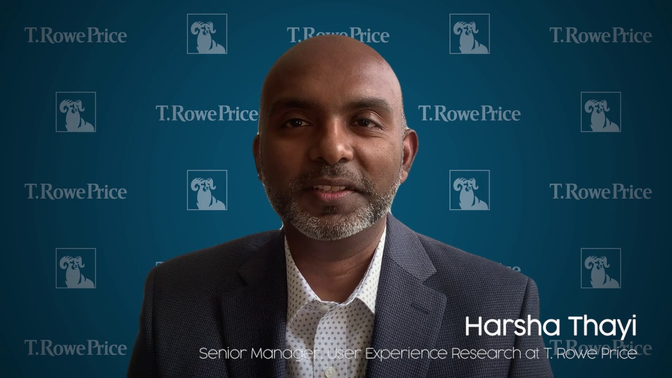
When T. Rowe Price introduced a new online investment account experience, they saw a major red flag: a 37% drop-off rate at the very first step of account opening. Rather than guessing at the cause, the team turned to real customer insights.
By quickly testing the experience with users, they uncovered a critical disconnect—customers weren’t ready to open an account immediately and wanted more information before committing. This insight, surfaced within hours, allowed the team to make informed changes, close the drop-off gap, and restore confidence across stakeholders and senior leadership.
The result highlights the real value of customer insights: fast, human feedback that reveals not just what is happening, but why—enabling teams to fix high-stakes problems quickly, reduce risk, and make better business decisions with confidence.
How CMOs can use insights to strengthen leadership relationships
Bring real customer voices into major discussions. When presenting campaign strategy, don't lead with tactics. Lead with the customer problem you're solving, backed by actual narratives. Instead of "We're launching this campaign to drive awareness," try "We heard from 50 customers that they don't understand how we're different. Here's what they said, and here's how we're addressing it."
Frame decisions in revenue, cost, and risk. CFOs care about reducing CAC and increasing customer lifetime value. Translate insights into financial outcomes: "By testing messaging with customers before launch, we reduced the risk of a $500K campaign missing its mark" or "Customer feedback revealed a friction point driving 30% cart abandonment. Fixing it could recover $2M annually." Customer insights consistently lower customer acquisition costs by helping marketing target the right audiences with the right messages.
Use insights to guide board updates. When you demonstrate that major marketing decisions were validated with customer input and tied to business outcomes, you're leading instead of just reporting.
A new model for proving marketing ROI
CMOs who thrive today ground every strategy in customer evidence. This creates credibility. When leadership sees that marketing makes decisions based on validated customer insights, instead of intuition, they trust those decisions. And trust unlocks budget.
It also accelerates decision-making. When the C-suite looks at the same customer evidence, debates move faster. Instead of CMOs defending their value, they partner with CFOs to allocate resources where they'll have the greatest impact.
The trust gap won't close with better dashboards. It closes when marketing speaks the language of business impact, grounded in real customer evidence that CFOs and CEOs recognize as credible.
Key takeaways
- The C-suite disconnect is real: Only 30% of CMOs believe CEOs understand modern marketing, while 65% of CEOs are confident they do.
- Human insights bridge the gap: Real customer narratives provide clarity that traditional marketing metrics can't deliver.
- Speak the CFO's language: Frame customer insights in terms of revenue impact, cost reduction, and risk mitigation, not marketing jargon.
- Evidence beats intuition: Customer insights in marketing replace gut decisions with validated strategies that earn C-suite trust.
- Trust unlocks budget: CMOs who ground decisions in customer evidence accelerate approvals and position marketing as a growth driver.
FAQ
Q: How are customer insights different from traditional marketing analytics?
A: Traditional analytics tell you what happened (clicks, conversions, traffic). Customer insights in marketing reveal why it happened by capturing real human perspectives, helping you understand customer motivations, friction points, and decision-making processes.
Q: What types of customer insights resonate most with CFOs?
A: CFOs value insights that reduce risk and clarify ROI. This includes evidence that validates strategies before launch, identifies cost-saving opportunities (like reducing cart abandonment), and explains customer behavior in ways that forecast revenue impact.
Q: How can CMOs start using customer insights to improve C-suite alignment?
A: Start by bringing real customer voices—videos, quotes, or behavioral data—into strategic discussions. Frame these insights in business terms: revenue opportunity, risk reduction, or cost savings. Make customer evidence the foundation for major marketing decisions, not an afterthought.
ON-DEMAND WEBINAR