

4 critical questions to ask before you design anything

It’s not always obvious which ideas are worth investing the time and resources into building. It’s easy to rush into something without stopping to define exactly who needs your product or design.
But the best designers consistently ask the same questions before they design anything: What’s the problem I’m solving? Who’s the user I’m serving? What does that user want to do? What do I want them to do?
When you apply a rigorous framework, it becomes clear which ideas you shouldn’t waste your time on—and which ones you should pursue. It’s hard work up-front, but when you get that specific it’s much easier to design a product that people love to use.
1. What problem are you solving?
One of the most common mistakes is to jump in and start designing things before you know exactly what problem you’re solving for the user. I would suggest taking more of a measured approach.
Do a little research before you jump in
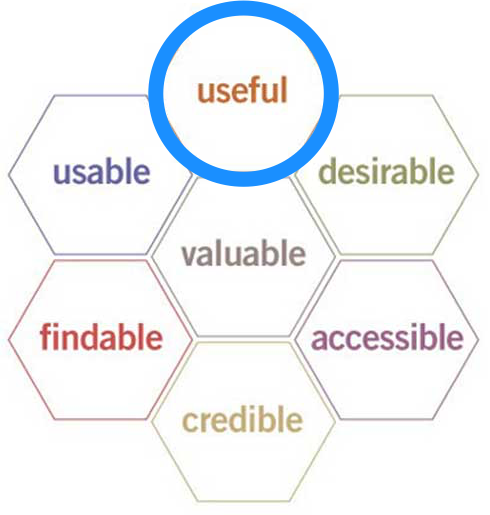
Don’t start designing until you can clearly answer the question, “What problem are we solving?” When you don’t start by answering this question, you violate one of the fundamental principles of UX design: usefulness. It might sound obvious, but if you design a product or app that doesn’t solve a real problem for your users, they’re not going to use it.
2. Who’s your ideal user?
Your ideal user should be very specific. Most people are afraid of getting too specific because they don’t want to exclude potential users. But even the biggest companies started by serving a specific community:
- Facebook was just for Harvard students
- Google was just for Stanford researchers
- Microsoft was just for developers
Figure out exactly who your target users are. The more narrow and defined your user base is, the easier it’ll be to create something that’s useful and relevant to them.
Here are some questions to help you get started:
- Gender
- Age range
- Occupation
- What company do they work at (small, mid, enterprise?)
- What problem are you solving for them
- What are their 3 favorite websites/apps they currently use to solve this problem
- If you could wave a magic wand and change their life, how would it look?
- What’s frustrating them in their life on a daily basis? What annoys them more than anything else? What makes their emotions boil?
- What products have they bought in the past? Why did they buy them (what problem were they trying to solve)? Were they happy or disappointed with the result?
- This exercise forces you to get specific. Focus on serving a specific user base, and then you can expand over time.
3. What do they want to do?
Once a user arrives on your site --- or starts using your product --- what do they want to do? As Jared Spool noticed in his research, users are typically on a mission when they land on your site or start using your product.
Do you know what their mission is?
What do they want to accomplish? What problem are they trying to solve? What information are they looking for? What question are they trying to answer?
How you can make it as easy as possible for your users to accomplish their mission? The easier you make it for users to get what they want, the more they’re going to use what you’ve designed.
4. What do you want them to do?
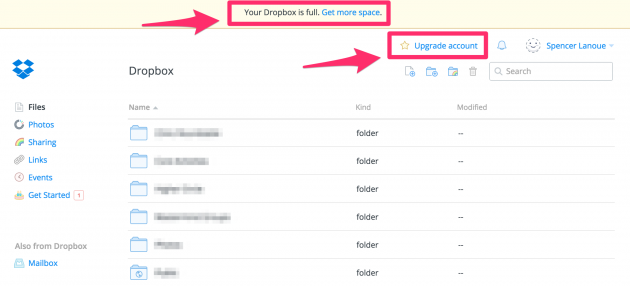
What do you want your users to do? This probably isn’t going to be the same as what they want to do. For example, when I log into my Dropbox account, I want to download a file and they want me to upgrade to a premium account.
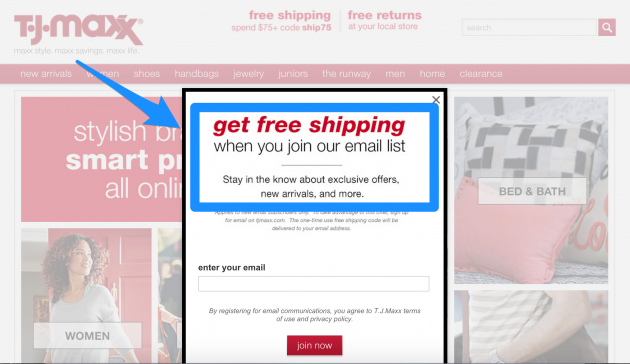
And when my wife goes to TJ Maxx’s site because she wants to buy a pair of jeans, they want her to sign up for their email list.
Sometimes I get stuck only focusing on the users’ point of view because I want to design for the best experience possible. But you also need to take your own business goals into consideration. What do you want your users to do? Do you want them to buy your product, subscribe to your email list, upgrade their subscription, or something else?
The Value Loop
There’s nothing wrong with wanting your users to take a specific action, as long as you approach it the right way. You provide value to users. Ask users to take a specific action. Users buy your products or services. Profit pays you for your time. Which allows you to continue providing value to users.
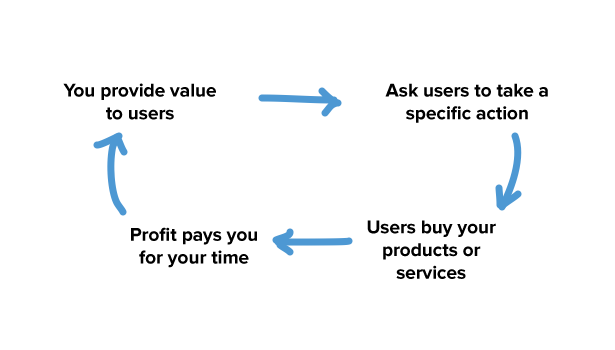
UX professional Craig Morrison calls it the Value Loop, and he does a great job explaining it. He said, “You can’t just build a one sided business that gives and gives and gives and never gets anything back. If you do that, it won’t be long before you don’t exist. Customers can’t get value from your product if you can’t afford to continue providing it to them.”
Conclusion
Going through this process with your team will force you to get ultra specific about what problem you’re solving, who your users are, what they want, and what your team wants. And when you put your ideas through this framework, it will become clear what you should pursue, and what you shouldn’t waste your time on.
If you don’t know the answers to these four questions before you start designing, it’s going to be difficult to design a high quality product that users love and want to share with their friends and colleagues.
If you want actionable advice about how to pick the right target audience and make sure you design the right features, then check out this webinar with Feedly co-founder Arthur Bodolec.