


Adapting to Apple's App Store changes with user testing
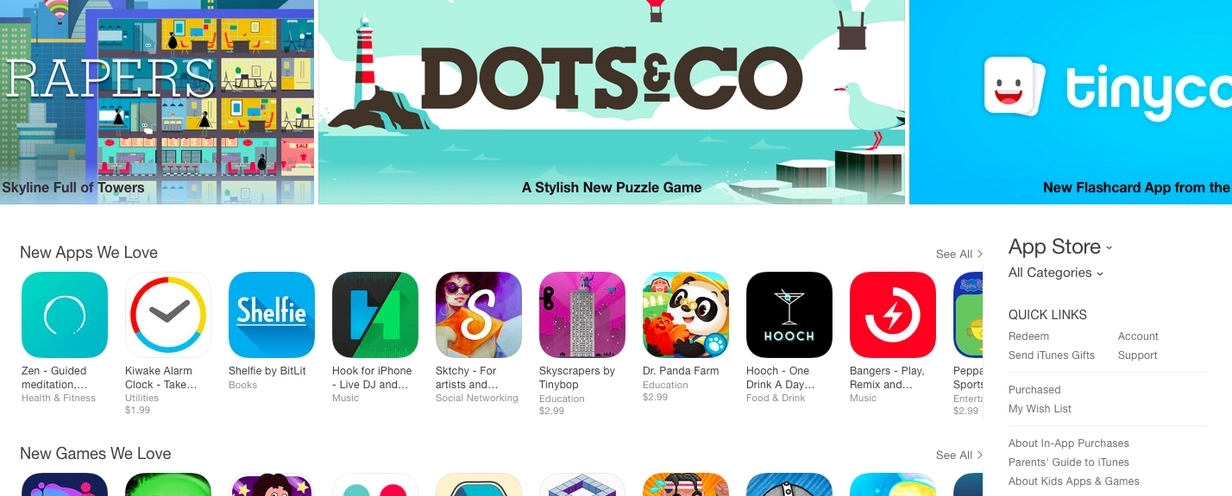
Last month, Apple made some significant changes to its App Store, and app developers now have new statistics and metrics that define their apps as failing or succeeding. It’s no surprise that many of these changes are directly connected with user experience. In today’s post, I’ll summarize the changes Apple has made to its App Store and highlight how continuous user testing can help app developers succeed in the wake of these new changes.
1. App subscriptions
Gone are the days when users would buy a subscription app get charged until they opted out. Under Apple’s new rules, users must opt in, rather than be automatically renewed—and charged. That means the pressure's on developers to create an experience that inspires users to renew their subscription.
2. Customer retention
Apps that retain customers as paid subscribers for more than a year will be paid 85% (up from 70%) of the subscription revenue in the second year and going forward. That means that there’s more of an incentive for companies to develop apps users want to subscribe to—not just download once.
3. Advertising
The App Store is rolling out changes to their advertising policies that will make it much easier for users to utilize keyword searches. As a result, it’s expected that ad spending in the App Store will increase, meaning higher competition to get noticed.
4. App submission approvals
The App Store team will now be responding to app submissions (new and iterative) in just a few days. In the past, it took about one week for an app to be approved, which meant that developers would prepare dozens of small updates before making a submission to the App Store for their apps. With the new changes, teams are able to ship updates in piecemeal fashion, significantly cutting down on the time to ship and allowing them to act more proactively to changes in the market.
How user testing can help app developers
Apple’s changes highlight the importance of user experience. Customer engagement has become even more important and requires constant monitoring by developers to ensure App Store success. This is where continuous user testing can significantly improve an app’s chance of success. Continuous user testing can help app developers monitor their progress against Apple’s changes to the App Store. Everything from understanding why subscriptions are ramping up or slowing down, to testing out ideas for new features, to advertising, to understanding how users engage with an app can all be tested quickly and easily. The changes to Apple’s App Store may seem intimidating at first, but the reality is that they’re focusing on what really matters first—the user. Incorporating regular user testing into the development cycle will help developers respond to changes in the market quickly and easily. If you’d like to start incorporating user testing into your app development cycle, try out our handy checklist or contact us to set up a demo.